
1 2 3 4 5
reviewed for The Dwarf...
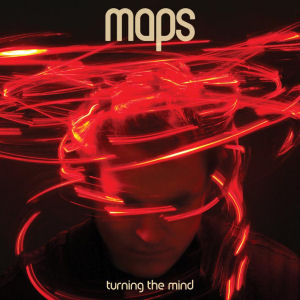 James Chapman of Maps turned in a pretty good debut album with 2007’s We Can Create. Solely created by himself it was a hazy, distorted piece of bedroom pop that was given a human touch with his fragile keening vocals. Two years down the track and Turning The Mind is a different beast. Gone are the more claustrophobic layers of synths and instead he bathes the album in a dreamy light and a cleaner sound that references 80s electronic pop acts like OMD and Depeche Mode alongside digital krautrock icons Kraftwerk.
Chapman thanks those who helped him get sober and those themes pervade the record with song titles like Chemeleon, Valium In The Sunshine and Let Go Of The Fear. Many of his self analytical lyrics are buried in the mix but he still retains the soft vocal tone from his debut, this time with added hints of Bobby Gillespie (Primal Scream) and Ben Gibbard (Death Cab For Cutie).
I Dream Of Crystal is a sweet pop song that features chiming synths and once it gets into the drifting groove it keeps rolling along on top of the new wave bleeps and cascading notes. Let Go Of The Fear is a darker proposition with its Depeche Mode electro rumblings circa Enjoy The Silence, a connection that is strengthened with Maps being on the Mute Label where Depeche Mode have spent their whole career. Label boss Daniel Miller even contributes programming to the sonically impressive Nothing.
At an hour long Chapman has outstayed his welcome by a few songs. The melodies and synth washes start to blur into the background and the focus is lost. It doesn’t help that most songs are near the 5 minutes in length. Love Will Come references 80s UK club music as a primarily instrumental track that promises but doesn’t really deliver.
A more upbeat and clean Chapman isn’t always the best for his music. His vocals do tend to wear thin after a while and you sense the record would be a bolder proposition with a stronger voice in the songs. What he has done with the music itself is the album’s most interesting aspect. He is constantly referencing the history of electronic music, harking back to a more innocent time where analog-sounding simplicity filled the music.
Turning The Mind works well a lot of the time but like this year’s Deastro album he has overstretched himself and needed someone to help edit the finished product.

 Doubtful Sounds